to top

Thesis Topic
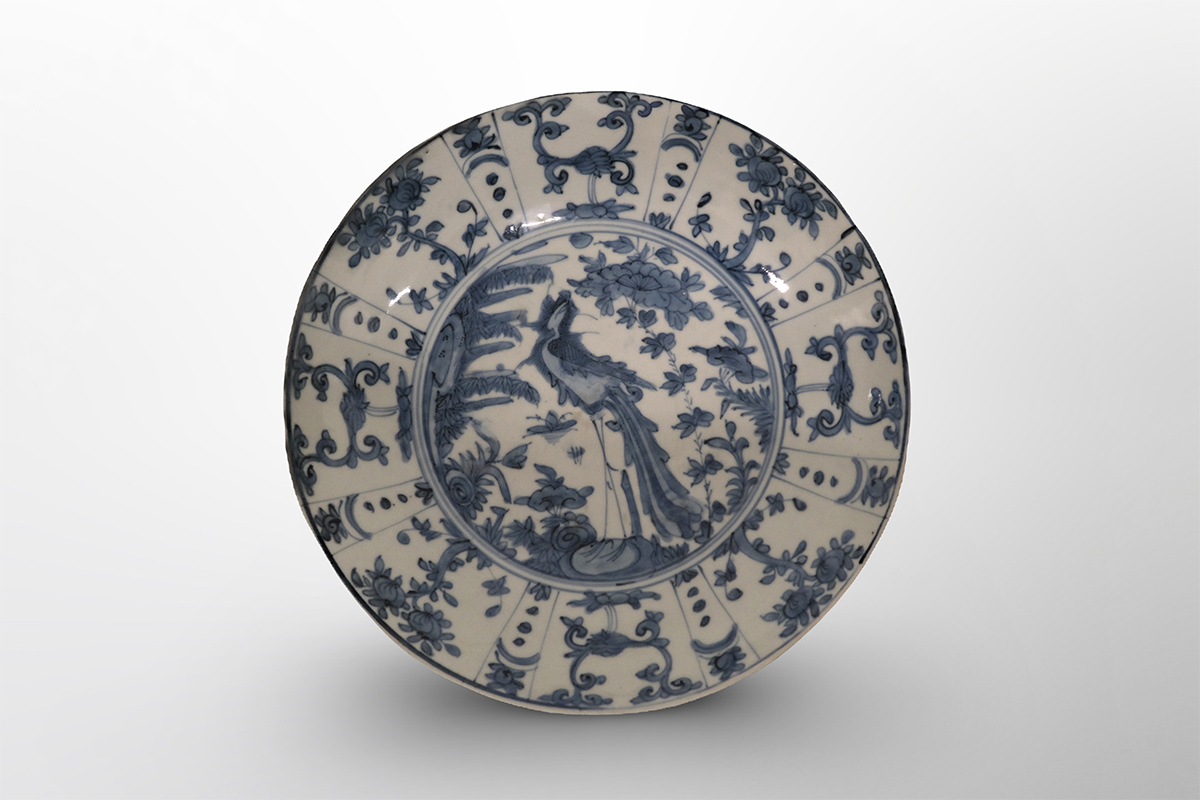
Zhangzhou porcelain (the so-called ‘Swatow’ porcelain as it used to be known in the West or Zhangzhou yao 漳州窯) was a fascinating group produced in non-imperial kilns during the late sixteenth and early seventeenth centuries in a coastal city of China’s southeast corner named Zhangzhou in Fujian province. Zhangzhou wares are not known for their fine quality, but are instead characterised by their heavily and crudely potted bodies, crackled glaze, coarse sand adhering to the bases, and, in some cases, an expressive painting style. In the late Ming period, it was exported on an enormous scale to meet the growing demand from overseas markets and successfully established itself as the dominant group in Southeast Asia and Japan. While existing scholarship has shed considerable light on the trade of Jingdezhen porcelain—a renowned group produced in Jiangxi province—to Europe and America during the same period, the trade of Zhangzhou porcelain to Southeast Asia and Japan is waiting to be fully explored.
My research aims to offer a more comprehensive and inclusive picture of the Ming porcelain trade by telling the stories of the Zhangzhou porcelain against the background of the field’s Jingdezhen-oriented scholarship. Although European merchants considered Zhangzhou porcelain coarse and tended not to carry it back to their homelands, its reception in Japan and Southeast Asia indeed confirms the distinctive aesthetics and consumption practices in different cultural contexts. To reveal how Zhangzhou porcelain was produced, traded and consumed under the intricate influences of craftsmen, merchants and customers, my research situates Zhangzhou in a wider picture of the East and Southeast Asian maritime world and incorporates a wide range of archaeological evidence from terrestrial and underwater sites, including both early European discoveries and more recent excavations conducted by local archaeologists.
To explore the appropriations and different consumption patterns of Zhangzhou porcelain in Southeast Asia and Japan, my research focuses on three interconnected geographical zones: Fujian, Southeast Asia and Japan. It asks how the combination of local and global factors contributed to the growth of Zhangzhou porcelain, and how potters responded to the demands of their far-flung customers. It also considers the agency of different trading groups operating across the seas connecting these regions, revealing how their activities enabled the circulation of Zhangzhou porcelain. Overall, it argues that the history of Zhangzhou porcelain cannot be written through a singular lens, as its development was shaped by the entangled interactions of multiple actors from different regions during the early globalising era.