to top

Thesis Topic
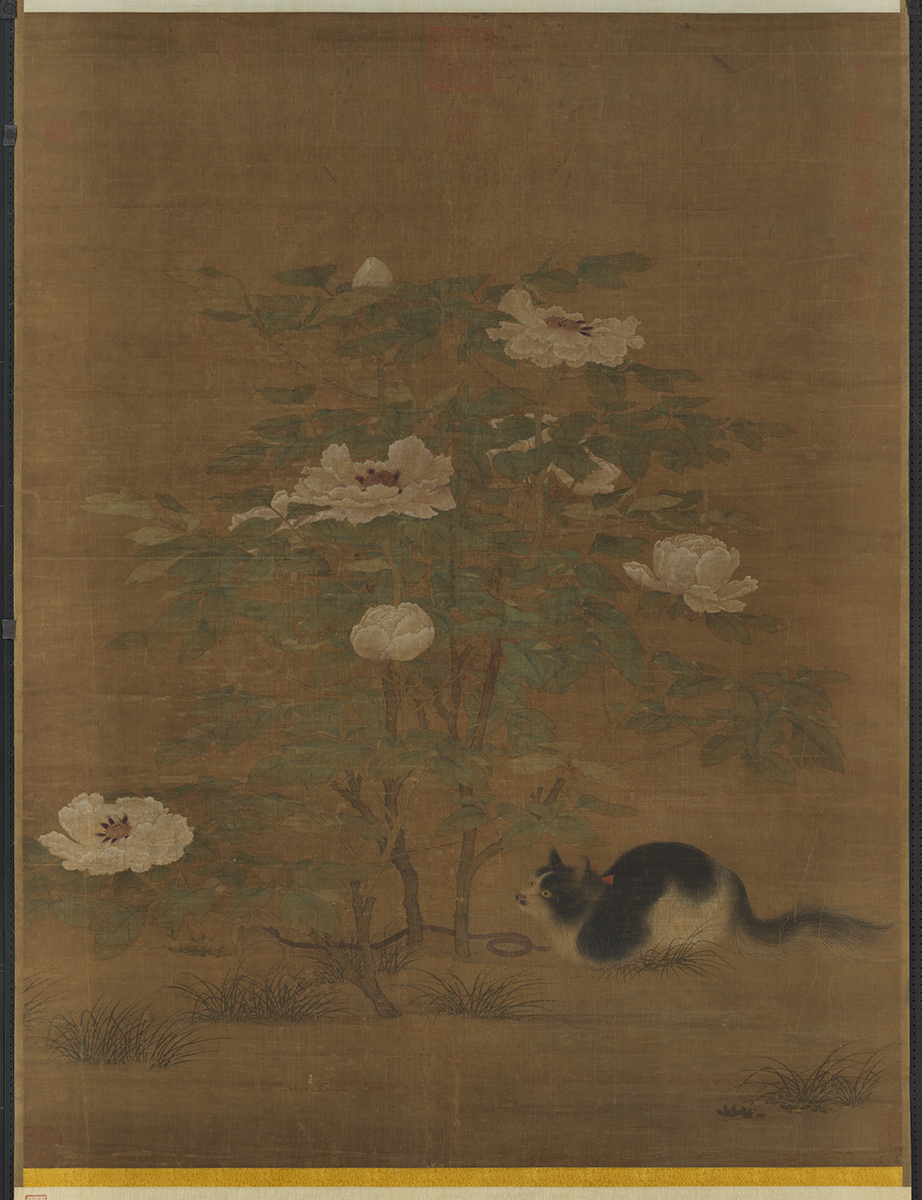
This thesis investigates the sociocultural meaning of Sichuan’s flower-and-bird painting and its role in constructing both the painting historiography and local culture of Sichuan during the Tang-Song transition period (especially from the ninth to thirteenth centuries). Following the An Lushan Rebellion (755-763), many painters migrated to the Shu region, and “Shu painting” 蜀畫 subsequently became a major focus in later painting historiographies. Notably, the flower-and-bird paintings of Huang Quan’s 黃筌 (ca. 903-965) family—characterized by the so-called ‘rich-and-noble’ (fugui, 富貴) style—were canonized from the eleventh century onward as representative of Shu painting, despite the fact that the most majority of painters in Sichuan specialized in Buddhist-and-Daoist figure paintings. Meanwhile, the Tang–Song period witnessed a growing interest in seeking, studying, and picturing the indigenous flora and fauna species from the Shu region, which in turn facilitated the production, dissemination, and reception of local knowledge and cultural memory of Sichuan within the empire.
By foregrounding “Shu” as both a geographical and cultural term, this thesis defines “Shu painting” as encompassing three categories: (1) works produced by native and immigrant painters active in Sichuan, (2) works distinguished by a regionally specific style, and (3) works depicting indigenous species of the Shu region. Accordingly, the three case studies in this thesis—crane, tree-peony, Shu-mallow—correspond to one of these categories respectively. Their roles in constructing the historical narratives of “Shu painting” and “Shu culture” demonstrate that flower-and-bird painting was not merely still life, but imbued with agency and sociocultural significance. Echoing the rise of flower-and-bird painting as a new genre during the Tang–Song period, Sichuan emerged as a crucial geo-cultural space in understanding both painting practice and art historiography of this transitional era. Moreover, this thesis also highlights how the binary categories are often used to understand “art”—such as local and central, fugui and yeyi (wild-and-reclusive), decorative and pragmatic, craftsman and literatus—were, in many contexts, far more blurred than is commonly acknowledged today.