to top

Thesis Topic
In the 3rd century, China began a North-South division, while a new material culture emerged in the mid-lower Yangtze River region. This period saw a significant influx of foreign images and the rise of new materials, creating a stark contrast with the contemporary North and having a profound impact on Chinese artistic traditions. This indicates that in the 3rd century, the southern region centered around the mid-lower Yangtze River became an important site for artistic production. However, existing research has not yet discussed its formation process and influences from a comprehensive regional perspective, and the cultural meaning of its material remains has also been inadequately addressed.
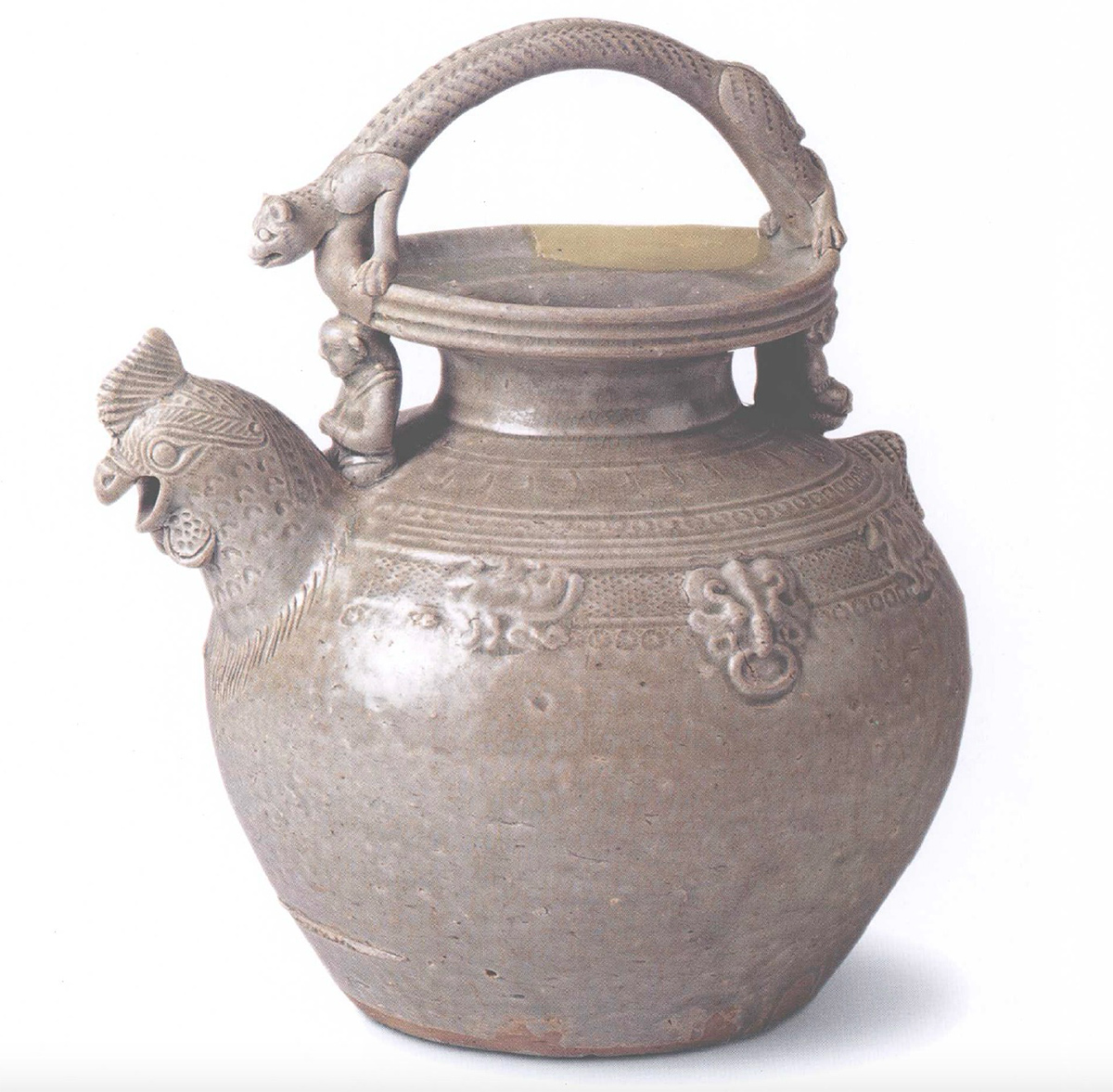
This study focuses on the material remains of the mid-lower Yangtze River in the 3rd century CE, exploring how this region became crucial for the transformation of images, materials, and technologies. It examines how a visual and cultural identity of the “South” was established in this process, as well as how this regional construction influenced subsequent Chinese artistic traditions. The research includes two parts: the first part discusses two representative products from the 3rd century mid-lower Yangtze River region—bronze mirrors and celadon—analyzing how unique images and decorative systems developed on these materials within the dual context of political network and handicraft production. This transformation endowed celadon with new cultural meaning, making them an important component of material culture and a symbol of the South. The second part focuses on case studies involving the Caiyue Pottery Tower from Xiangyang, celadon sculpted steles, and southern products popular in the North. This part aims to investigate how the identity of “southerners” produced visual knowledge and landscapes that tightly connected people, products, and the southern region, forming a “Southern” knowledge system and identity in contrast to the North.