to top

Thesis Topic
This study focuses on the extant Maitreya imagery within the territory of the Gaochang Uighur Kingdom during the 9th–13th centuries, with two core research questions: how the Gaochang Uighur Maitreya images were represented and how they were formed. Employing methods such as iconography and knowledge generation theory, the research adopts a three-stage progressive approach:
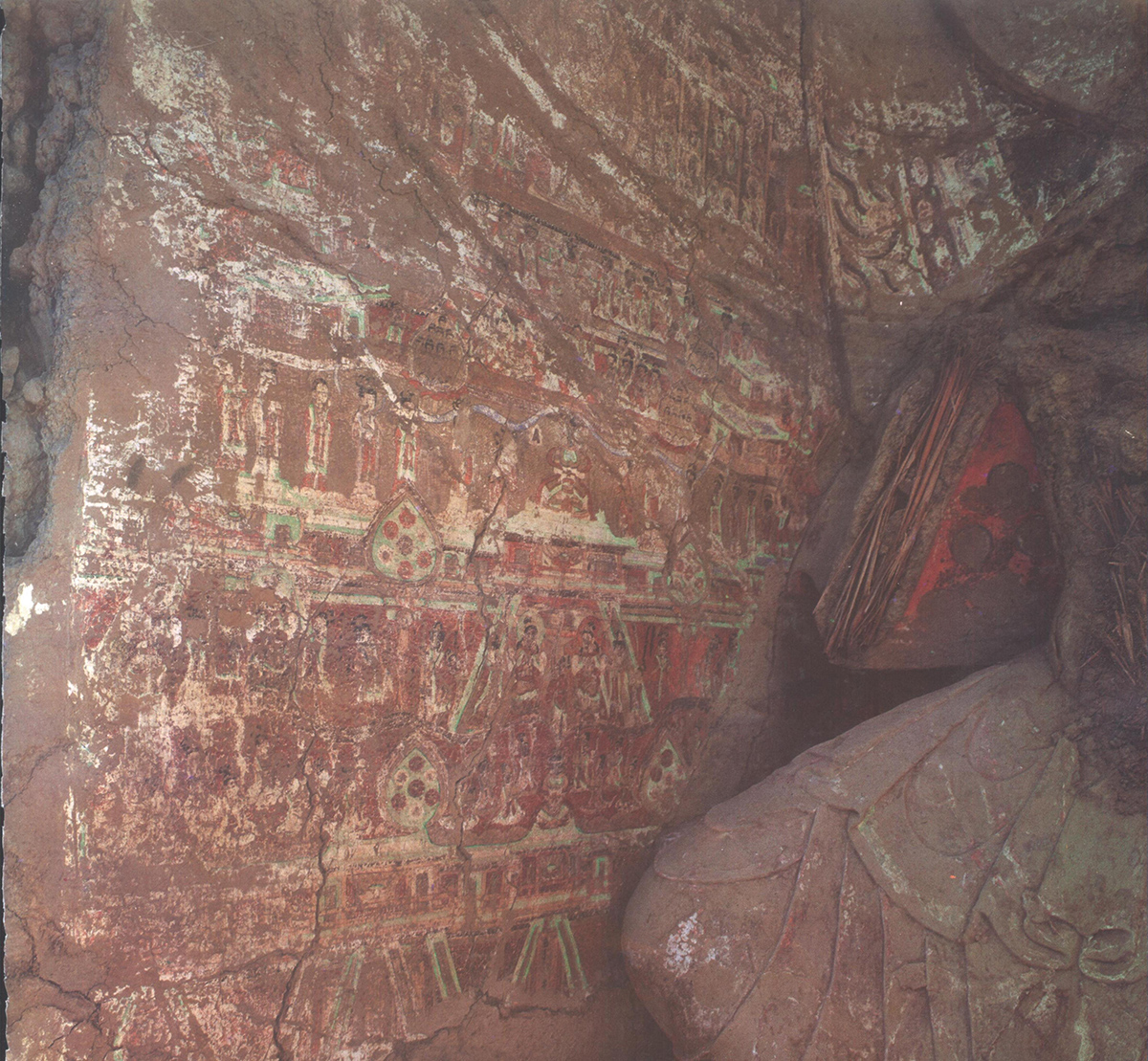
First, conducting systematic collation and integration of materials. A comprehensive collation of materials related to Maitreya belief from the Gaochang Uighur period (including categories such as literary texts, images, excavated artifacts, and relics scattered overseas) is conducted. Through field investigations and cross-verification with literary texts, the newly identified Maitreya images of this period are integrated and published, thereby filling the gap in the long-standing lack of published materials on the extant Uighur-period Maitreya imagery in the Turpan Region.
Second, conducting an exploration of the belief’s origin and its formative motivations. By tracing the evolutionary trajectory of Maitreya belief in India and Central Asia, and by combining Buddhist scriptures, dedication inscriptions, and cross-regional image materials, this study analyzes the causes of the Uighur Maitreya belief, focuses on exploring the reasons why its imagery highly conforms to texts, and reveals the corresponding logic between the imagery and Buddhist classics.
Third, conducting research on the characteristics of the belief and cross-regional artistic interactions. From such dimensions as mural content and compositional forms, a systematic comparative analysis is conducted between the Maitreya imagery of the Gaochang Uighur Kingdom and that of surrounding regions, so as to further reveal the artistic characteristics of the Gaochang Uighur Maitreya imagery.